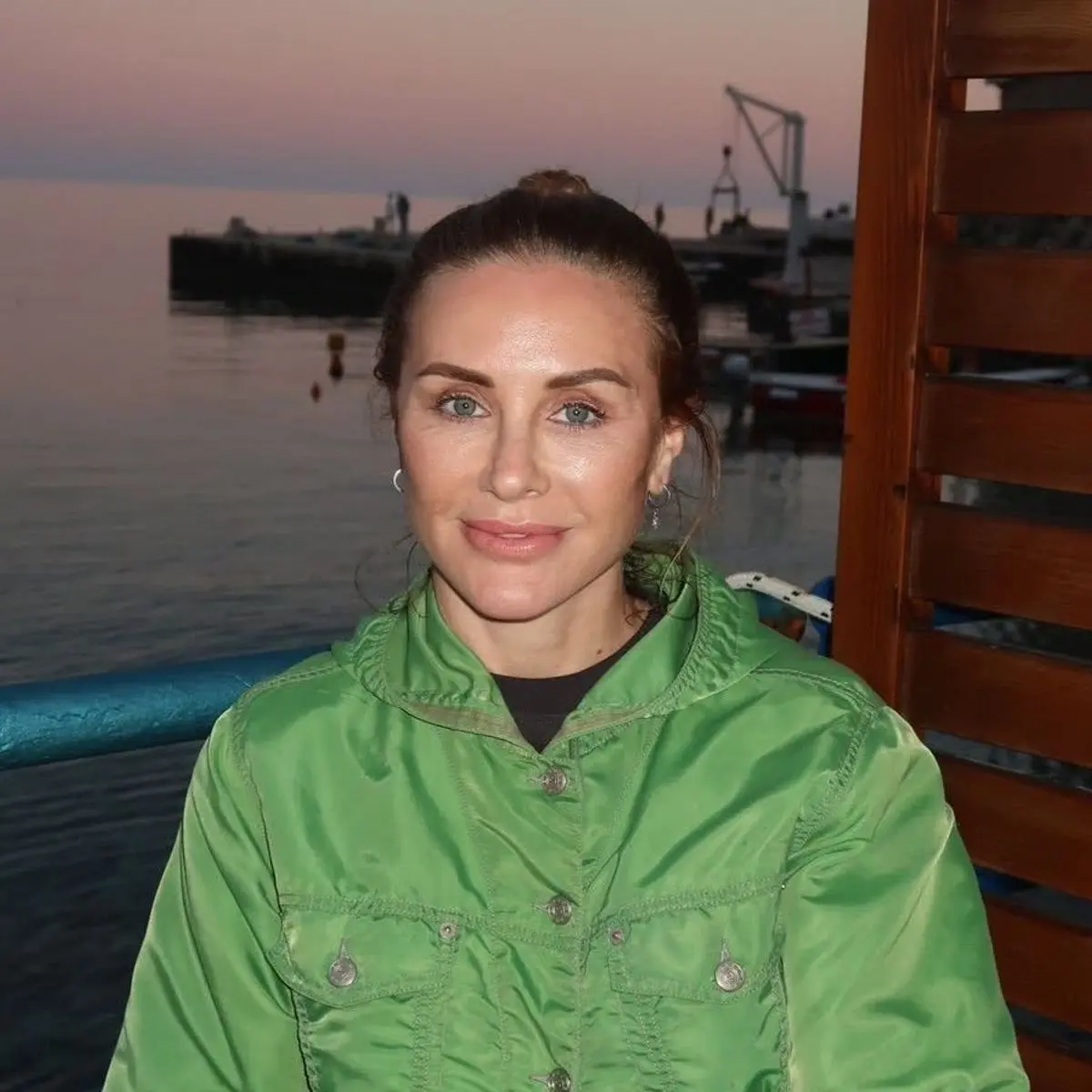
On October 1, Ukraine’s citizen Lyubov Rozhanskaya was detained in Astana by the Kazakh authorities at the request of Russia, made through the Collective Security Treaty Organization (CSTO), as her lawyer Alexei Pryanishnikov reported.
Lyubov Rozhanskaya was detained at the airport in Astana when she arrived from Istanbul and went through border control. Now, the detainee is in a pre-trial detention center in the capital of Kazakhstan. The trial is expected to take place within the next three days. Astana lawyer Riza Nurbayeva noted that despite the fact that Rozhanskaya is a citizen of Ukraine, there is a possibility of her deportation to Russia.
As lawyer Alexei Pryanishnikov explained, the Ukrainian woman wanted to pick up her grandson in Astana, who was supposed to be brought there from Russia.
In 2021, Alla Andreeva, Rozhanskaya’s daughter, left Odessa with her son, born in 2018, and moved to Russia’s Kaliningrad region, where her second husband’s family lived. Shortly after the start of the war, in 2022, she renounced Ukrainian citizenship for herself and her son and both of them received Russian citizenship.
However, as a result of legal proceedings in Ukraine at the suit of the child’s father, the Supreme Court of Ukraine in March 2025 determined the boy’s place of residence in Odessa, at the place of residence of his father, who serves at Ukraine’s Defense Forces.
In July 2026, the new husband of the boy’s mother, Vitaly Andreev, and his father, Vyacheslav Andreev, contacted Lyubov Rozhanskaya with a proposal to hand over the boy to his Ukrainian father and her, the grandmother.
On August 27, 2026, negotiations were actively held between the Andreevs and Rozhanskaya. At that same time, according to her lawyer Oleksii Prianishnykov, the Central District Court of Kaliningrad had already granted the FSB (Russia security agency) investigator’s request to detain Rozhanskaya in the child abduction case.
The case dates back to 2023, when Russian authorities arrested two Ukrainians who were traveling through Lithuania to Kaliningrad Oblast to pick up the same boy. They were charged with attempted child abduction, then with espionage, and were sentenced to 15 and 16 years in a penal colony. Rozhanskaya was named as the alleged organizer.
According to the documents Russia sent through the CSTO for the extradition request, FSB units in Kaliningrad were preparing the extradition papers and placing Rozhanska on the wanted list while negotiations were still ongoing.
Rozhanskaya was not aware that a criminal case was opened against her, reported her lawyer, as she “had never visited Russia”. A staged video showing the boy falsely boarding a plane to Kazakhstan was sent to her, which convinced her to pick up her beloved grandson to Astana. But when she arrived, instead of her grandson, she found the police waiting for her.
Meanwhile, Rozhanskaya’s lawyer viewed the detention of the Ukrainian in Astana as “a fairly clearly planned operation” and a provocation by the FSB. Speaking about the possible motivation of the FSB, he suggested that “the desire to curry favor and improve the statistics on the detection rate” could play a role here. “For all the seeming “family” nature of this case, I absolutely catch in it the political subtext related to the war between Russia and Ukraine,” the lawyer said.
According to Ukrainian Ombudsman Dmitry Lubinets, handing the Ukrainian woman over to Russian law enforcement would pose a direct and serious threat to her personal safety, health, and fundamental rights. “We are well aware of what happens to Ukrainians who fall into the hands of the Russian system”, he explained to the press. Lubinets is actively working to stop her extradition to Russia.
Since the war started, Ukraine has verified 20,651 cases of deportation and forced transfer of Ukrainian children by Russia.